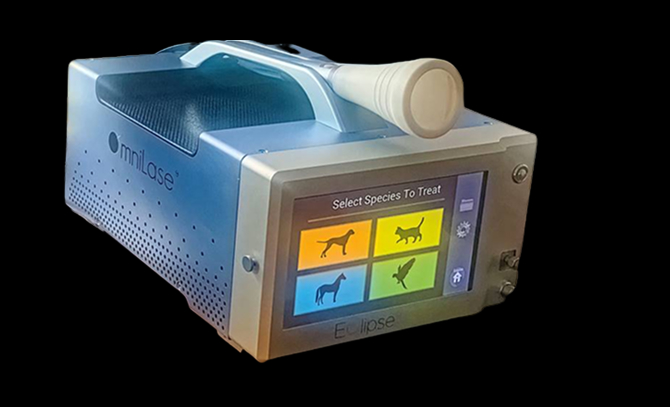
Laser Therapy for Exotic Mammals
Key Differences from Companion Animal Care
While laser therapy is well established in dogs and cats, its application in exotic mammals—such as rabbits, guinea pigs, ferrets, hedgehogs, sugar gliders, chinchillas, rats, and hamsters—requires a fundamentally different approach. Simply scaling a canine protocol based on the patient’s weight is not sufficient. Because of the unique anatomy, physiology, and sensitivity of these species, both clinicians and pet owners should understand the important differences involved when using laser therapy in exotic mammal patients.
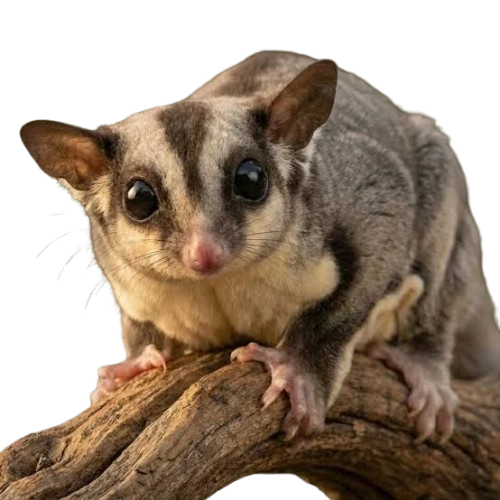
Anatomical & Physiological Differences
Exotic mammals possess unique anatomical and physiological characteristics that significantly influence how laser therapy should be applied. Compared to dogs and cats, these species are generally much smaller, have thinner tissues, faster metabolisms, and greater sensitivity to heat and handling. As a result, treatment parameters must be carefully tailored to avoid overstimulation or tissue damage while still delivering therapeutic benefit.
Key differences include:
- Smaller body size and reduced tissue depth
Therapeutic targets are often located much closer to the skin surface, requiring lower power settings and shorter treatment times. - Delicate skin and thin soft tissues
Many exotic mammals have fragile skin and minimal muscle or fat coverage, increasing the risk of excessive thermal effects if inappropriate settings are used. - Higher metabolic and respiratory rates
These species often respond differently to stress and treatment intensity, making gentle handling and efficient therapy especially important. - Species-specific anatomy
Variations in skeletal structure, fur density, ear size, and body conformation can affect laser penetration and treatment technique. - Greater stress sensitivity
Rabbits, guinea pigs, and other prey species can become highly stressed during restraint, so treatments should be kept calm, quiet, and as brief as possible. - Unique thermoregulation characteristics
Some species are less capable of dissipating heat efficiently, increasing the importance of conservative dosing and continuous patient monitoring.
Understanding these differences is essential for developing safe, effective laser therapy protocols for exotic mammal patients.
Benefits of Laser Therapy for Exotic Mammals
- Non-invasive & painless
- Reduces post-surgical inflammation after tumor removal or abscess drainage
- Helps treat stomatitis as adjunctive therapy
- Manages osteoarthritis in older patients
- Improves healing of fracture
- No adverse drug interactions — ideal for liver-compromised patients
Case Studies in Exotic Mammals Laser Therapy

Pododermatitis is one of the most common — and most stubborn — conditions in pet rabbits. Recently published clinical case report describes a rabbit with refractory pododermatitis — lesions that had not responded to conventional care — managed with a combination of laser and cold plasma therapy, underscoring how Laser Therapy can serve as an adjunct when standard wound care alone has plateaued
Guinea Pig Urinary Disease
A case involving uroliths, crystalluria, and stranguria with hematuria in a guinea pig was managed with laser therapy, illustrating Laser Therapy use outside of dermatologic and wound applications — as an adjunct for pain and inflammation in urinary tract disease.
While not laser therapy specifically, a controlled clinical trial in wild European hedgehogs with cut and bite wounds is directly relevant to wildlife and exotics practices: adding non-invasive physical plasma to conventional wound management shortened healing time by roughly six days compared to conventional care alone, with no signs of pain or stress from treatment . This supports the broader pattern seen with PBM: adjunctive light- and energy-based therapies can meaningfully shorten healing timelines in exotic and wildlife wound cases where conventional care alone plateaus.
The Importance of Quality Equipment: Eclipse®-VLS
The effectiveness of veterinary laser therapy and surgery in exotic mammals veterinary is heavily dependent on the quality and suitability of the equipment used. Many veterinary laser devices are primarily designed for small companion animals and clinic-based procedures. While some systems may include general protocols adaptable to exotics, they often lack the specialized features required to address the unique anatomy, physiology, and clinical needs of exotic mammals.
In this context, the Eclipse®-VLS system stands out as an innovative and comprehensive solution. Designed with versatility and precision in mind, this all-in-one veterinary laser system is well suited for exotic mammals veterinary applications, offering exceptional performance in laser therapy, surgical procedures, and supportive care. The system includes extensive pre-set protocols that can be adapted for common conditions and allows clinicians to create custom protocols tailored to individual species and cases. Its high output power helps reduce treatment times, which is particularly beneficial for minimizing stress in exotics.
With a portable design, durable aluminum housing, and armored fiber, the system is well equipped for use in a variety of clinical and field settings. A high-capacity Li-ion battery provides more than an hour of operation on a single charge, and the fast-charging capability ensures efficient workflow in mobile or off-site environments. By adopting advanced laser technology designed to meet these demands, we can help ensure that exotic patients receive safer, more effective care, leading to healthier, more comfortable lives.